The acronym PRM stands for partner relationship management, and a “PRM system” refers to a partner relationship management software platform. By leveraging a PRM system, an organization selling through the channel can automate the management of its network of channel partners that are responsible for indirect sales. In this world of distributed organizations managing multiple entities and connections, it’s essential for organizations to think through how their PRM system will connect to other existing systems. This is the topic we will explore in this article.
Most organizations generating a few hundred million dollars in annual revenue have a variety of existing systems that have been put together over several years, and maybe even over decades. For various pragmatic reasons, it is almost impossible for these organizations to rip and replace their existing infrastructure to build a truly state-of-the-art, fully dynamic PRM system. This is why most PRM systems tend to focus on just a few core functions—such as content management, co-branded asset management and lead management—while connecting to existing infrastructure to perform other channel-related functions.
In most cases, an organization selling through the channel can use a PRM system in this way as a primary gateway to connect to and communicate with their partner base. But partner relationship management also requires vendors to attend to various aspects of partner recruitment, onboarding, training, enablement and management activities. So, while it would be ideal to deploy a PRM system that can do all of those things in an integrated fashion—like ZINFI’s Unified Partner Management (UPM) platform, for example—typically the vendor needs to augment what they have by connecting the PRM system as a gateway to these other subsystems to avoid having to rip and replace everything.
Organizations that are getting started with their channel programs, or those with a multi-quarter upgrade plan, can greatly benefit from using a Unified Partner Management platform as the foundation for their PRM system. However, for organizations that aren’t in a position to do that, the PRM system needs to be able to connect to a point-of-sales (POS) system to track sales, a lead management system to track pipeline and deals, an incentives management system to excite and engage partners, and a learning management system to provide training and enablement tools.
The key, though, is to determine upfront what subsystems you want your PRM system to connect to and why. The goal is not to create a science project, but to develop a business process automation flow that makes your organization more productive in recruiting, onboarding, training and managing your partner base while improving the sales productivity of your partners. It is essential to map out the partner journey prior to the deployment of any PRM system. Once you have mapped out this journey, you will be in a position to prioritize what other subsystems your PRM system will need to connect to.
Finally, one very important role that your PRM system can play when it connects to multiple subsystems is to provide an integrated “single pane of glass” through which you get complete visibility into your partner lifecycle management. This is the holy grail of Unified Partner Management. A standalone, fully configured Unified Partner Management platform is your best bet to avoid dependency and complicated integration efforts with other subsystems. However, if your PRM system needs to connect to other systems—i.e., if you want to leverage the PRM system as a single source of truth by pulling in correlational data from multiple systems—you must carefully think through the sequence of integration.
I hope this summarizes the value and logic behind using your PRM system as a gateway or a single source of truth and how it can connect to other subsystems. Integration may take time and additional investment, so while you are considering such effort, it would behoove your organization to also look at a Unified Partner Management approach and seek out-of-the box configurable software that can replace many of these subsystems to reduce cost and complexity and increase your organizational productivity.





 Partner Ecosystem Playbook: Build, Scale, Succeed Best Practices
 Mastering LinkedIn: Building Personal Brands for Social Selling
 Unified Communications: The Backbone of Modern Digital Growth
 The Channel Sales Playbook: Skills, Strategy, and Growth
 Blueprints for Vertical Success Best Practices
 The Future of Partner Enablement: From Enablement Gaps to Global Advantage
 Reimagine Sales Development. Build a Smarter Prospecting Engine
 The Zero Trust Imperative: Fortifying Enterprise Security Against AI-Driven Threats
 PartnerOps Excellence: The Definitive Guide to Scalable SaaS Ecosystems
 The Modern Partner Ecosystem Best Practices
 Partner Marketing Reimagined: Strategies for Agile, Insight-Led Growth
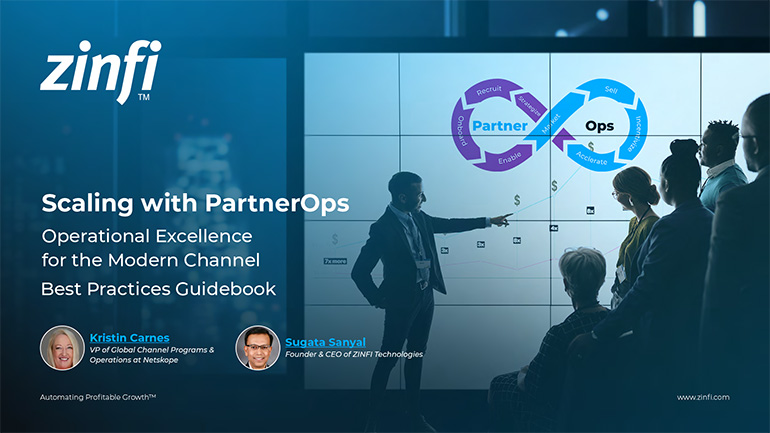 Scaling with PartnerOps Best Pratices
 Leading with Partner Programs Best Pratices
 The Partner-First Blueprint: Scaling Trust, Intelligence, and Ecosystem Growth
 Unlock Scalable Growth with The Partner Marketing Growth Blueprint
 From TikTok to LinkedIn: Social Selling Across the Generational Divide
 Scaling Partner Ecosystems: From Enablement to Intelligence